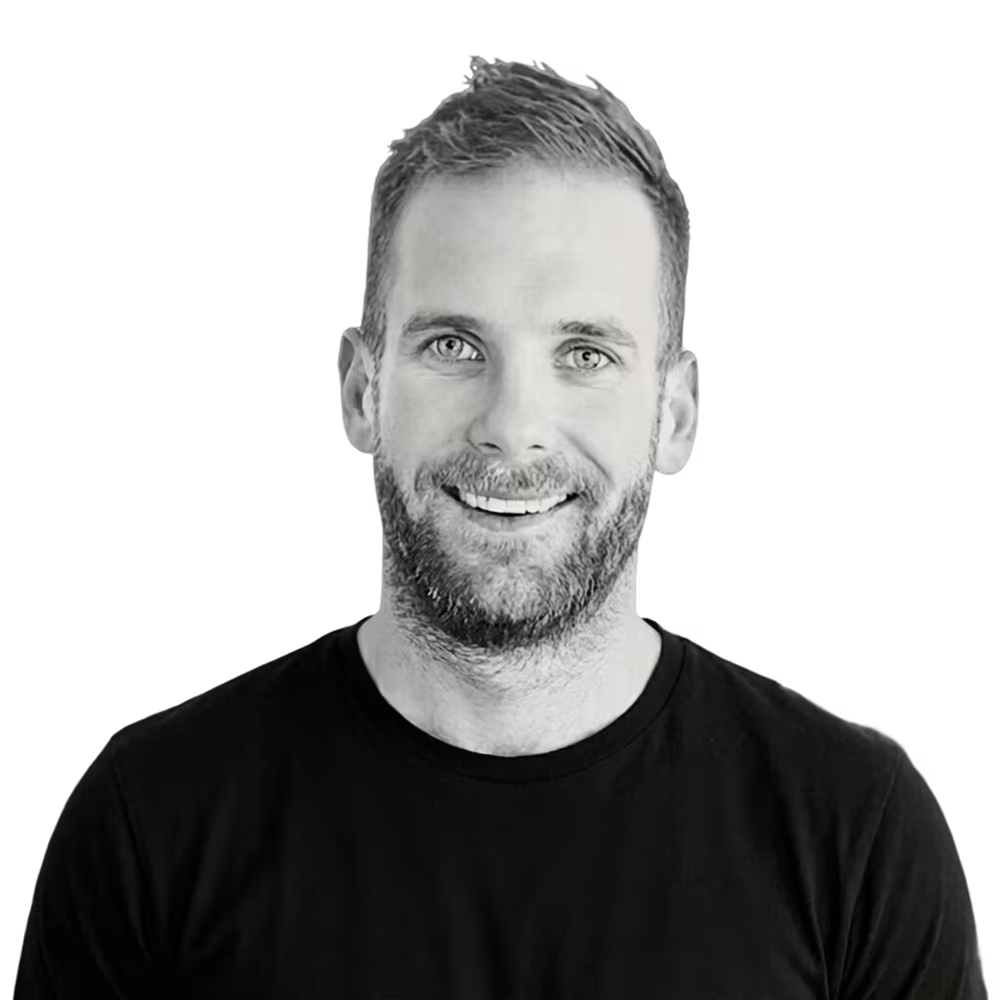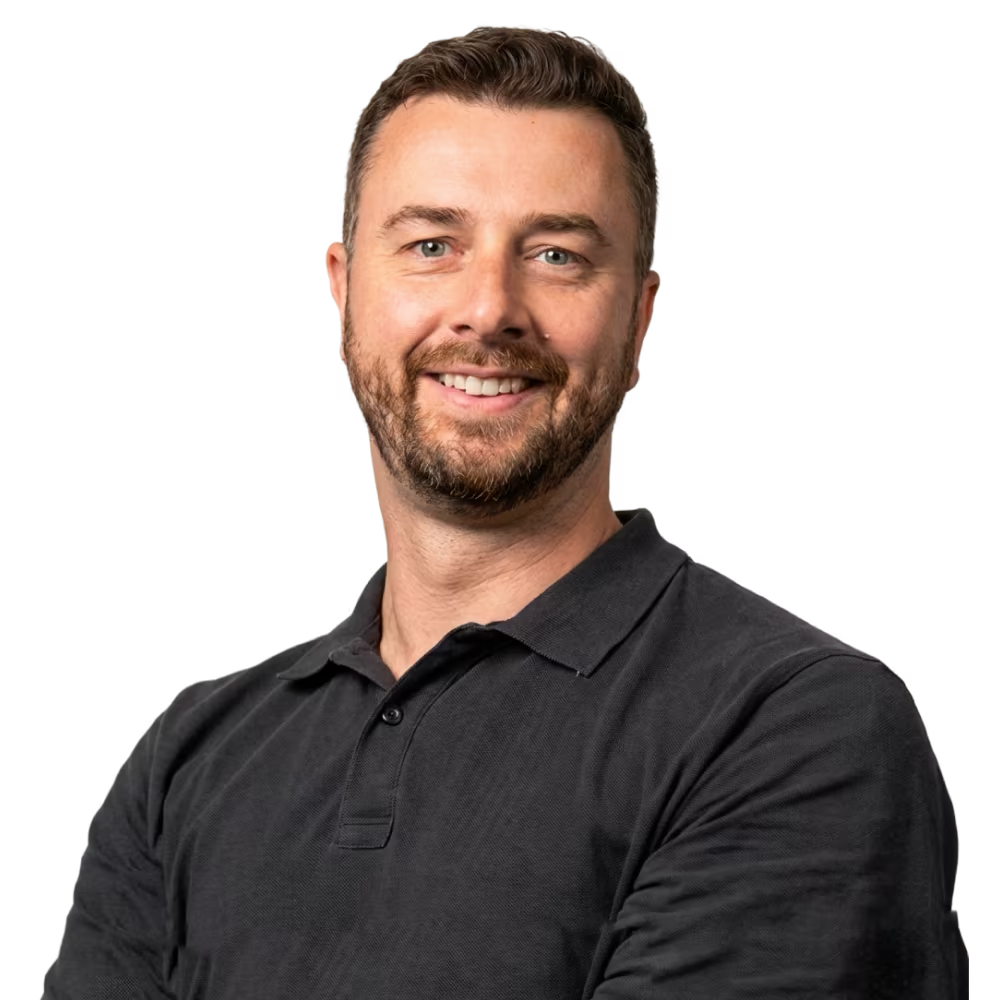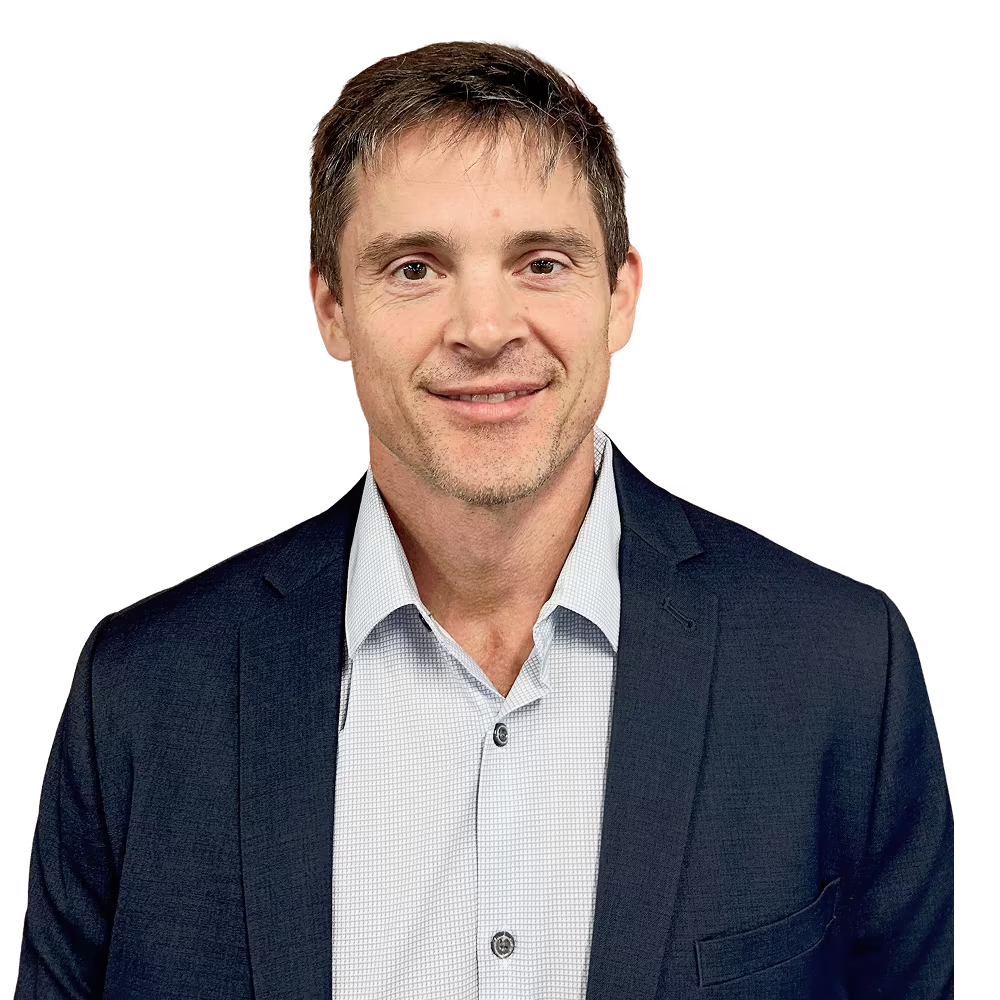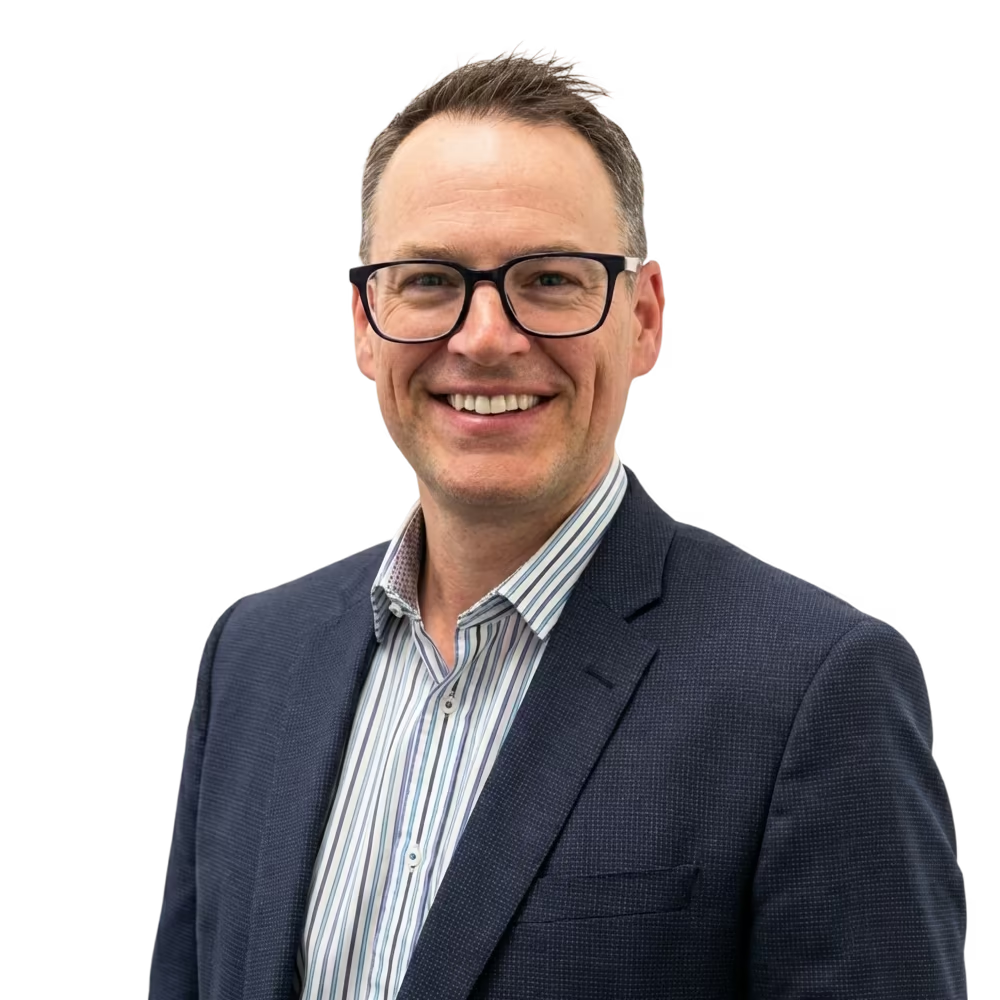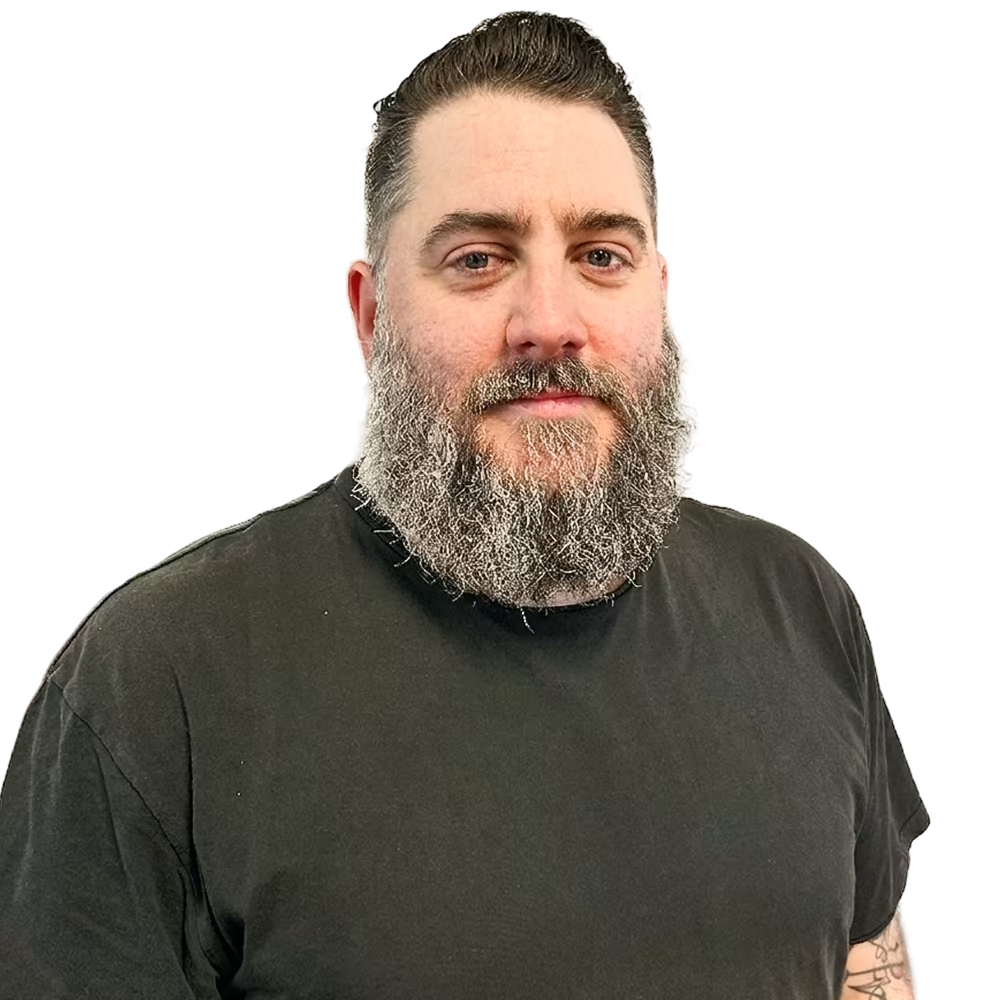
Peter Garmaz
Backstory
Where did you grow up?
I was born in the prairies of Alberta, Canada in the City of Champions, Edmonton. The city is well known for once having the largest shopping mall in the world, West Edmonton Mall, its five-time Stanley Cup-winning NHL team the Oilers, and its long, cold winters.
What did your parents do, and what did you take from them?
My mother worked in health care, starting as a registered nurse who moved into management roles, with a late pivot to wedding planning.
My father has worn many hats in my lifetime. He worked at an abattoir and sold used cars before landing at IBM. He was a field engineer, and over his time there he repaired typewriters, automated teller machines and telephony systems. Later on he worked in telecommunications in provisioning and support.
From my mother I learned that you can’t listen while talking, and that empathy is a skill that will set you apart no matter the industry you work in. From my father I learned that every machine is a smoke machine if it is operated incorrectly enough.
What did you spend the most time on as a kid?
Before moving to New Zealand you’d find me at the local rink playing pickup with whoever was there. As a teenager I was skateboarding, hanging out at arcades and record stores with my friends, or at the computer trying to find a good BBS to play doors and download the latest shareware.
My time hanging out at record stores led me to forming my first band at 17. I spent a good part of my formative years into my early 30s actively involved in Auckland’s underground music scene — playing in bands, designing flyers, tour posters and merchandise, and touring around New Zealand.
What did you do before TakeoffQS?
I’ve worked in technology since I dropped out of school at 17. I started out with desktop support and systems engineering roles before a detour into fault management at TelstraClear. A referral from an ex-bandmate led to me being the first IT Manager at Serato, before jumping over the ditch to Sydney where my focus was on DevOps and developer experience at SiteMinder and Digital Asset.
How did you end up at TakeoffQS?
Between having close friends working in various trades for many years, and having gone through the process of building our family home recently, I was aware there is room for improvement in the building industry. Once I started talking to Jason about a role it took me a matter of seconds to see the potential that TakeoffQS has and the impact it will have on the building industry. After meeting the team, all it took was a firm handshake and I was on board.
What I care about
What’s broken in estimating that you want to fix?
This is a personal one, as it impacted me with our build: the time it takes to get costings on plan variations.
One instance was that we wanted a costing for adding a raked ceiling to our entryway. The plans were updated same day, but we then waited a week to get the costing back — only to find it was incorrect and had to be redone.
We had multiple variations in the design and costing phase, which is normal. The issue is that each one had its own QS cycle to project the change in costs, and each of those added multiple days to the timeline before we were happy to sign off the plans and get things submitted to council.
What do you look for in the companies we work with?
Companies that want to reduce delivery timelines, streamline their processes, and increase their responsiveness and accuracy for their customers.
A mistake you see builders make repeatedly?
Estimations that are incorrect. Be it the good ol’ thumb suck or manual errors introduced accidentally along the way — both create delays and typically leave someone out of pocket.
What gets you fired up about this work?
We’re at a time where emerging technologies are more powerful than ever, and we have the chance to harness them to reshape how builders work. The fact we can greatly reduce how long quoting takes while shrinking the surface area for human error are the biggest draws for me.
What values matter most in how we build TakeoffQS?
The biggest thing I value is that we are constantly looking to make improvements — not only in what we build for our users, but also in how we build it day to day. We’re empowered to iterate and innovate every step of the way.
The human bits
Favourite mantra in a work context?
“If you try hard enough, you can eat a cricket ball.” For me it’s a reminder that working harder is not always smarter — and just because you can doesn’t always mean you should.
Secret skill?
Sleep. I can do it anywhere, and I function surprisingly well on very little when required.
Dinner with anyone, alive or dead?
Quite possibly the hardest question I’ve had to answer in a while. While I could go with a famous author and chef from New York or the singer from one of my favourite hometown bands, I’d actually want to sit down with my high school art teacher, Mr Dobson.
To say he was a character would be an understatement. His gruff exterior and take-no-prisoners attitude masked a very aware and encouraging teacher. He was one of the first people to push me out of my comfort zone regularly, and taught me that failure is a key part of the road to any success.
I never got a chance to pop my head back into the art room and say thank you before he passed away, and I can’t help but think it’d be a night of enlightening discussions and laughter over a bottle or two of red wine with him.
What can you nerd out on for hours?
Technology as a whole. I’m into everything from home automation to audio equipment to all generations of video game systems to open source software to agentic software development.
How do workmates describe you?
Determined, inquisitive, mindful, lighthearted, invested.
Meet the rest of the team